Knit Shirt: Buying Guide, Fabric, Fit, & Care Tips
Knit Shirt styles are a popular choice for people who want clothing that combines comfort, flexibility, and everyday style. Unlike traditional woven shirts, knit shirts are made using interconnected loops of yarn, giving the fabric a naturally flexible structure. This construction can make them soft, comfortable, and suitable for different seasons and occasions.
Whether you need a casual shirt for daily wear, a smart option for the office, or a lightweight top for warm weather, a knit shirt offers plenty of possibilities. Different materials, including cotton, polyester, wool, and blended fibers, create different textures and levels of warmth. The right choice depends on your lifestyle, preferred appearance, budget, and maintenance routine.
What Makes a Knit Shirt Different?
A knit shirt is made from fabric created by looping yarn together rather than crossing yarns in the traditional woven structure. This construction often gives knit fabrics more natural stretch and flexibility.
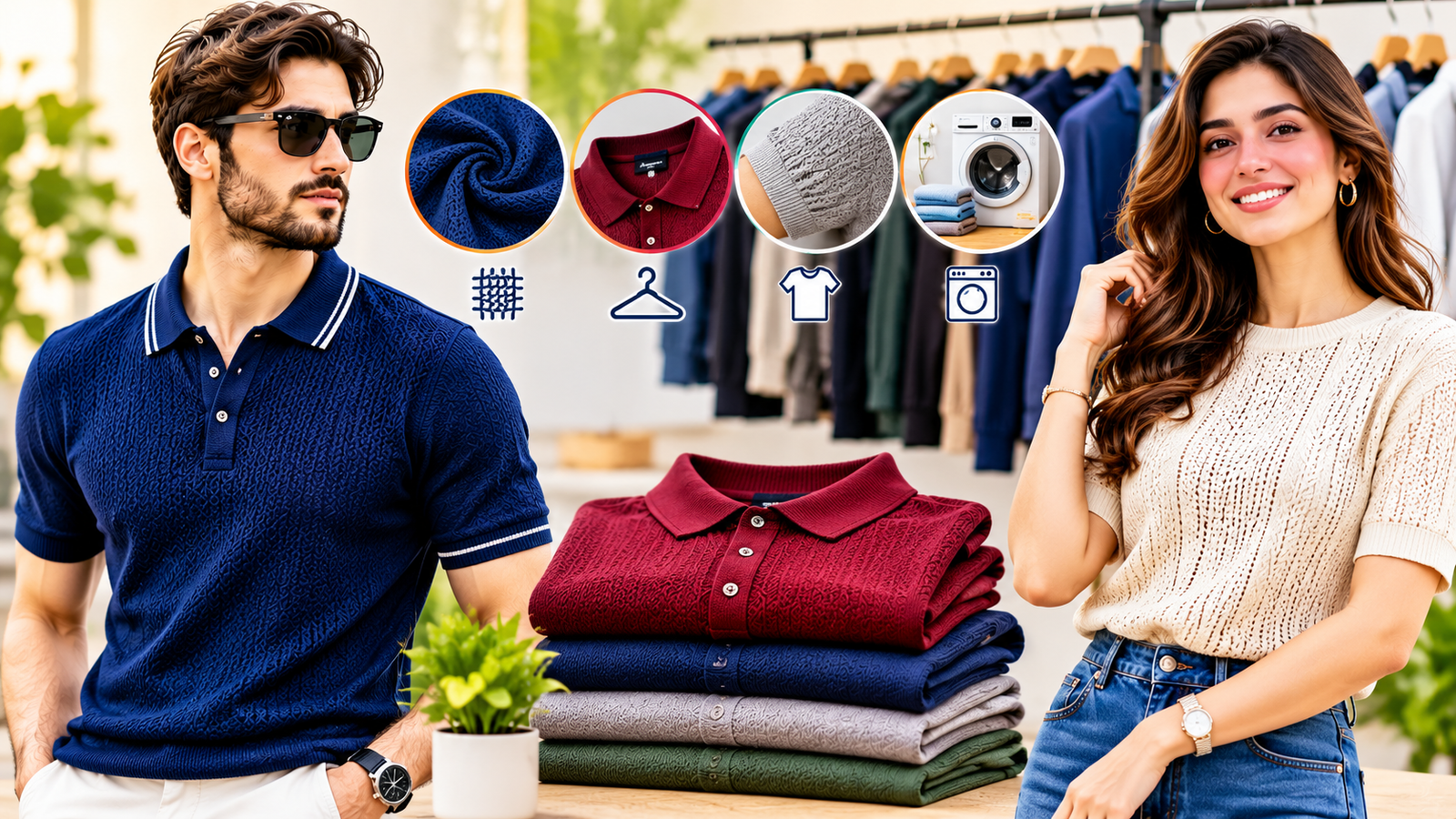
Common examples include jersey T-shirts, knitted polo shirts, lightweight sweater-style tops, and textured knit button-up shirts.
Knit shirts can be casual or relatively formal depending on their design. A simple cotton jersey shirt is suitable for relaxed outfits, while a fine-gauge knitted polo can create a more polished appearance.
Key Features of Knit Fabric
Knit fabrics are available in many constructions, but several characteristics make them popular:
- Flexibility: The looped structure can provide comfortable movement.
- Softness: Many knit fabrics feel smooth and comfortable against the skin.
- Different textures: Jersey, ribbed, waffle, and other knits create distinct appearances.
- Versatility: Knit shirts can work for casual, smart-casual, and seasonal outfits.
- Layering potential: Lightweight styles can be worn under jackets, cardigans, and coats.
Not every knit shirt has the same level of stretch, breathability, or thickness. The fiber content and knitting technique both influence how the finished garment feels.
Popular Types of Knit Shirts
Knit shirts come in several styles, allowing shoppers to choose according to their wardrobe and personal preferences.
A cotton jersey shirt can be paired with jeans, shorts, chinos, or casual trousers. It is also easy to layer under a lightweight jacket.
However, cotton can shrink if washed or dried incorrectly. Always follow the care label, especially when the garment contains a cotton blend.
1. Knit Polo Shirt
A knit polo combines the familiar shape of a polo shirt with the texture of knitted fabric. It usually features a collar and a short button opening.
This style offers a balance between casual and smart-casual clothing. It can be worn with chinos, tailored trousers, or dark denim.
A fine-knit polo in navy, beige, black, or white is a versatile wardrobe option because it can work for casual meetings, dinners, and everyday outings.
2. Textured Knit Shirt
Textured knit shirts use different knitting patterns to create a distinctive surface. Popular textures include ribbed, waffle, cable, and pointelle designs.
These details can make a simple outfit look more interesting without requiring bright colors or large prints.
Textured styles are particularly useful for people who prefer understated clothing but still want something different from a basic T-shirt.
3. Lightweight Knit Shirt
Lightweight knit shirts are designed for comfortable layering and mild or warm conditions. They may use thin cotton, viscose, polyester, or blended yarns.
These shirts can be worn independently or underneath overshirts, jackets, and cardigans. Their lighter construction makes them useful for travel and everyday styling.
A lightweight merino knit top can work as a comfortable layering piece. However, wool garments may require more careful washing than cotton or polyester options.
Check the garment’s care instructions before cleaning it.
Choosing the Right Knit Shirt Fabric
Fabric is one of the most important factors when buying a knit shirt. It influences comfort, durability, appearance, breathability, and maintenance.
Cotton
Cotton is a popular choice for everyday wear because it is soft and breathable. It works well in T-shirts, polos, and lightweight knit tops.
Choose cotton when comfort and easy styling are your main priorities. Look for a well-constructed fabric that feels substantial enough for regular use.
Polyester
Polyester is a synthetic fiber often used in performance clothing and blended knit fabrics. It is generally quick-drying and can help garments retain their shape.
Polyester knit shirts may be suitable for active lifestyles and travel. However, comfort and breathability depend on the fabric construction and finishing.
Wool and Merino Wool
Wool is useful for cooler conditions because of its insulating properties. Merino wool is often used in finer garments because its fibers can feel softer than traditional coarse wool.
These fabrics may be more expensive and need careful maintenance.
Viscose and Rayon Blends
Viscose and rayon are fibers often used to create soft, smooth fabrics with a flowing appearance. They can give knit shirts an elegant drape.
However, some viscose garments can be delicate when wet. Follow the washing and drying instructions to help prevent stretching or damage.
Fabric Comparison Table
| Fabric | Main Benefits | Suitable Use | Care Considerations |
|---|---|---|---|
| Cotton | Soft and breathable | Everyday and casual wear | May shrink if washed incorrectly |
| Polyester | Quick-drying and shape retention | Travel and active use | Follow temperature instructions |
| Merino wool | Warmth and soft feel | Cooler weather and layering | Often needs gentle washing |
| Viscose | Smooth texture and drape | Smart-casual outfits | Can be delicate when wet |
| Cotton-polyester blend | Balance of softness and durability | Regular daily wear | Check the garment label |
How to Find the Perfect Knit Shirt Fit
The right fit can make a significant difference in how a knit shirt looks and feels. A beautiful fabric may not be comfortable if the shoulders, chest, or sleeves are poorly fitted.
Check the Shoulder Seams
For a conventional fitted shirt, shoulder seams should generally sit close to the natural edge of your shoulders. Dropped-shoulder designs are different and intentionally use a relaxed shape.
Avoid a fit that pulls tightly across your shoulders when you move your arms.
Choose the Right Chest Fit
A knit shirt should provide enough room to move comfortably without looking unnecessarily oversized.
If the fabric stretches across your chest or creates visible pulling, consider a larger size or a different cut.
Consider Shirt Length
The length should match the intended style. A casual T-shirt can sit around the hips, while a tucked-in knit polo may have a slightly different length.
For a relaxed outfit, a longer design may work well. For a cleaner appearance, choose a length that sits neatly around the waist and hips.
Select a Comfortable Sleeve Length
Short sleeves are common in casual knit shirts, while long-sleeved options are useful for cooler weather and layering.
Check that the sleeves do not feel restrictive around the upper arms. If you prefer a loose appearance, look for relaxed or oversized cuts.
Use the Size Chart
Sizes can vary between brands and countries. Before ordering online, compare your chest, shoulder, and garment-length measurements with the manufacturer’s size guide.
Do not assume that the same size will fit identically across different clothing brands.
How Much Does a Knit Shirt Cost?
The price of a knit shirt depends on the fabric, brand, construction, design, and place of purchase. The following figures are illustrative price ranges in US dollars, not verified current retail prices.
| Knit Shirt Type | Approximate Price (USD) | Typical Features |
|---|---|---|
| Basic cotton knit T-shirt | $10–$25 | Simple design and everyday comfort |
| Cotton knit polo | $20–$45 | Collar and button opening |
| Textured knit shirt | $25–$60 | Ribbed, waffle, or patterned texture |
| Premium cotton knit shirt | $30–$75 | Higher-quality fabric and finishing |
| Merino wool knit top | $50–$150+ | Fine wool and cooler-weather comfort |
| Designer knit shirt | $70–$200+ | Brand-focused design and premium detailing |
How to Get Good Value
A higher price does not always guarantee better quality. Check the fabric composition, stitching, button quality, collar construction, and return policy before purchasing.
If you wear knit shirts frequently, investing in a durable everyday option may be more useful than buying several low-quality garments.
For occasional wear, a reasonably priced cotton or blended knit shirt may be sufficient.
How to Style a Knit Shirt
Knit shirts can be styled in several ways depending on their color, texture, and overall shape.
Casual Everyday Outfit
Pair a cotton knit shirt with blue jeans and sneakers. Neutral colors such as white, gray, navy, and black are easy to coordinate with other wardrobe pieces.
Smart-Casual Outfit
Wear a fine-knit polo with chinos and loafers. This combination creates a polished appearance without feeling as formal as a traditional dress shirt.
Layered Outfit
A lightweight knit shirt can be worn underneath an overshirt, denim jacket, or casual blazer. Choose complementary colors to keep the outfit balanced.
Cold-Weather Outfit
Wear a long-sleeved knit shirt with tailored trousers and a coat. Merino wool or a thicker cotton blend can provide additional comfort in cooler conditions.
Minimalist Outfit
Choose a solid-color knit shirt with simple trousers and clean footwear. Textured fabric can add visual interest without requiring patterns or large logos.
Practical Example: Choosing a Knit Shirt for Everyday Wear
Imagine someone who needs a comfortable shirt for office days, weekend shopping, and casual dinners. They are deciding between a basic cotton knit T-shirt and a fine-knit polo.
The cotton T-shirt is affordable, easy to style, and comfortable for relaxed activities. However, the fine-knit polo has a collar and a more structured appearance, making it suitable for smart-casual situations.
If the person wants one shirt mainly for casual use, the cotton option may be the better purchase. If they want a garment that can work for both casual and slightly polished outfits, the knit polo may offer more versatility.
This example shows why the best choice depends on your wardrobe needs rather than price alone.
How to Wash and Care for a Knit Shirt
Knit fabrics can stretch, shrink, or lose their shape if they are not handled properly. Good maintenance helps preserve their appearance and comfort.
Read the Care Label
Always check the manufacturer’s instructions before washing. Different fibers require different temperatures and cleaning methods.
Cotton, polyester, wool, and viscose blends should not automatically be treated in the same way.
Use Gentle Washing Methods
For delicate knit garments, use a gentle washing cycle or hand-wash them when the care label recommends it.
Avoid excessive heat and harsh cleaning products that could affect the fabric.
Avoid Hanging Heavy Knit Shirts When Wet
Wet knit fabric can stretch under its own weight. Lay delicate or heavy garments flat on a clean, dry surface when the care instructions recommend flat drying.
This can help maintain their original shape.
Store Shirts Properly
Fold heavier knit shirts rather than hanging them for long periods. Lightweight designs may be suitable for hangers if the garment does not stretch.
Keep clothing in a clean, dry wardrobe and avoid overcrowding.
Remove Stains Carefully
Treat stains as soon as practical, using a cleaning method suitable for the fabric. Avoid aggressive rubbing, particularly on delicate wool or textured knits.
Common Mistakes to Avoid When Buying a Knit Shirt
Before making a purchase, keep these common mistakes in mind:
- Ignoring fabric composition: A shirt’s appearance does not tell you everything about its comfort or maintenance needs.
- Choosing the wrong size: Poor shoulder and chest fit can affect both comfort and appearance.
- Overlooking fabric thickness: A thick knit may feel uncomfortable in warm weather.
- Ignoring care instructions: Some knit materials require gentle washing or special drying methods.
- Following trends without checking quality: Focus on construction and comfort rather than branding alone.
Final Thoughts
A Knit Shirt is a versatile wardrobe option that combines comfort, texture, and practical styling possibilities. From basic cotton T-shirts to fine-knit polos and warm merino tops, there are designs for different seasons, occasions, and personal preferences.
Before buying, consider the fabric, fit, construction, price, and care requirements. Cotton is a practical choice for everyday use, polyester can be useful for easy-care clothing, and wool offers additional warmth for cooler conditions.
The best knit shirt is one that fits comfortably, suits your lifestyle, and works with clothing you already own. By comparing these details before purchasing, you can choose a garment that offers both style and lasting value.
Frequently Asked Questions (FAQs)
1. Is a Knit Shirt Stretchy?
Many knit shirts have natural flexibility because of their looped fabric construction. However, the amount of stretch depends on the knitting technique and fiber composition.
2. Are Knit Shirts Suitable for Summer?
Yes. Lightweight cotton and breathable knit fabrics can be comfortable in warm weather. Choose thinner materials and relaxed fits.
3. Can I Wear a Knit Shirt to the Office?
Yes. A fine-knit polo or a clean, solid-color knit shirt can work well in many smart-casual office environments.
4. Do Knit Shirts Shrink?
Some knit shirts, particularly cotton garments, may shrink if exposed to excessive heat. Follow the care label to reduce this risk.
5. How Should I Store Knit Shirts?
Fold heavier knit shirts and store them in a clean, dry wardrobe. This helps reduce stretching that may occur when heavy garments hang for long periods.