Maternity Skirt: Over-the-Bump vs Under-the-Bump Styles
Maternity Skirt styles are designed to provide comfort, flexibility, and fashionable options as your body changes during pregnancy. Whether you prefer a supportive waistband that covers your belly or a relaxed design that sits underneath it, choosing the right maternity skirt can make everyday dressing easier.
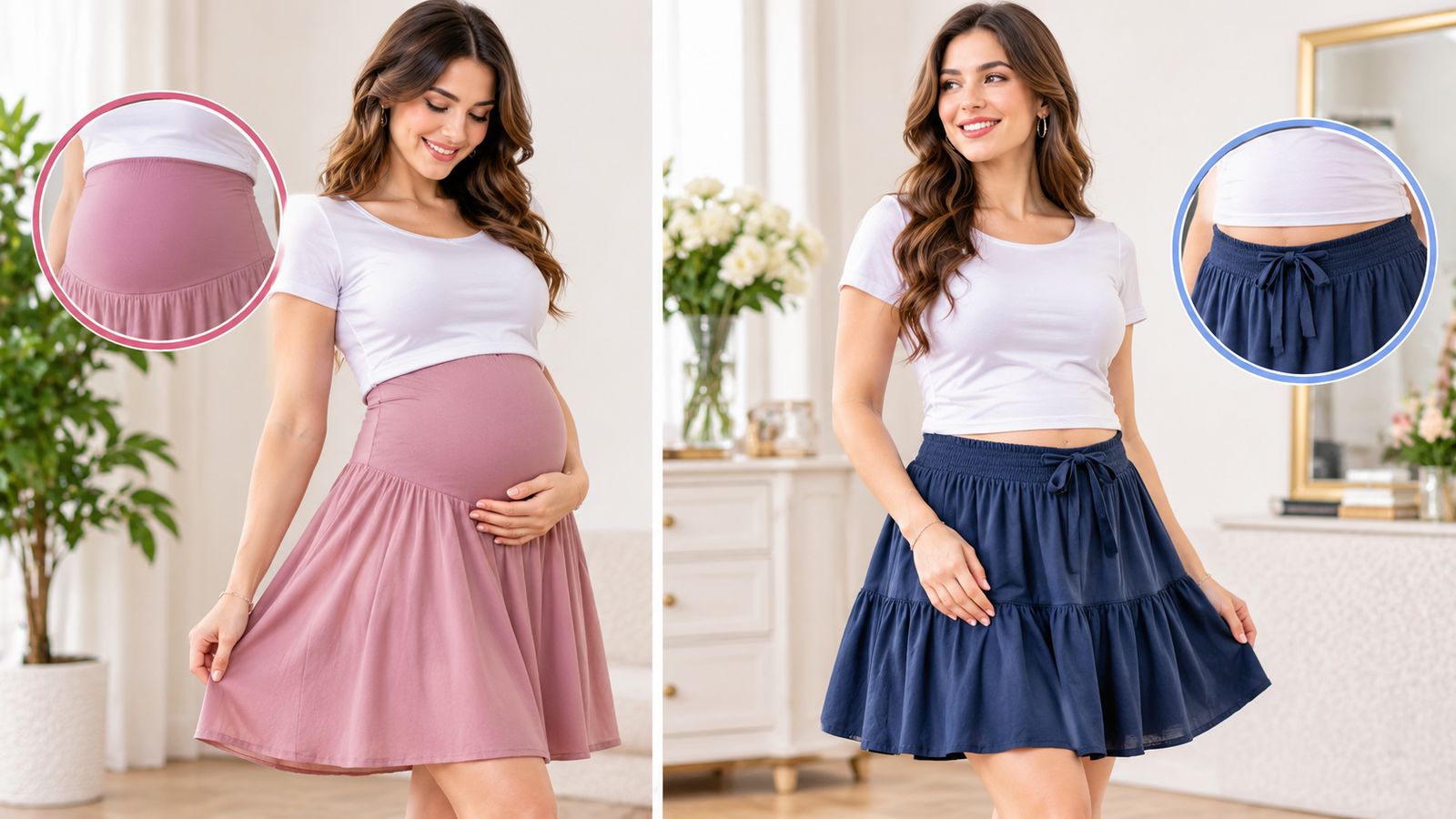
Two popular options are over-the-bump and under-the-bump maternity skirts. Although both are designed for pregnancy, they offer different fits and wearing experiences. Over-the-bump skirts feature a high, stretchy waistband that extends over the belly, while under-the-bump skirts sit below the belly without covering it.
Understanding the differences can help you choose a style that suits your comfort preferences, clothing needs, and personal fashion sense. From casual cotton skirts to elegant maxi designs, maternity skirts are available in several lengths, fabrics, and silhouettes.
What Is a Maternity Skirt?
A maternity skirt is a skirt designed with additional flexibility and comfort for people during pregnancy. Unlike many standard skirts, maternity designs account for a growing belly and changing body measurements.
They commonly feature:
- Stretchy waistbands that adjust to changing measurements.
- Soft fabrics that feel comfortable against the skin.
- Flexible panels that provide additional room.
- Relaxed cuts that allow easier movement.
- Different lengths, including mini, midi, and maxi.
Maternity skirts can be worn with maternity tops, basic T-shirts, sweaters, blouses, and other wardrobe essentials. Depending on the design, they can work for everyday activities, office outfits, family gatherings, and special occasions.
Over-the-Bump Maternity Skirts
An over-the-bump maternity skirt has a wide, stretchy waistband that extends over the belly. The waistband is usually made from soft elastic fabric or a flexible knit material.
This design creates a smooth appearance around the waist and can provide a gentle feeling of coverage.
Main Features of Over-the-Bump Skirts
Over-the-bump skirts are recognized by their higher waistbands and additional belly coverage.
Common features include:
- A waistband that covers most or part of the belly.
- Stretchy material that accommodates changing measurements.
- A smooth appearance underneath longer tops.
- Designs that can be worn at different pregnancy stages.
- Options with folded or adjustable waistband sections.
Some styles use a full-panel waistband, while others include a fold-over design that can be adjusted according to personal preference.
Benefits of Over-the-Bump Styles
Additional coverage: The waistband extends over the belly, which some people prefer for a more covered feeling.
Smooth outfit appearance: The wide panel can create a continuous look between the skirt and top.
Flexible fit: Stretchy materials can accommodate changes in belly size.
Layering options: These skirts can work well with fitted tops, long shirts, and lightweight sweaters.
Possible Disadvantages
Over-the-bump styles are not comfortable for everyone. Some people may find the waistband too warm, particularly during hot weather. Others may prefer less fabric around the belly.
The fit also depends on the waistband construction. A poorly designed or overly tight panel may feel restrictive, so it is important to check the fabric and measurements before purchasing.
Under-the-Bump Maternity Skirts
An under-the-bump maternity skirt sits below the belly rather than covering it. These designs usually have a lower waistband with elastic, stretch fabric, or adjustable side panels.
They are a popular option for people who prefer less material around the stomach.
Main Features of Under-the-Bump Skirts
Under-the-bump skirts are designed to sit comfortably beneath the belly while providing room through the skirt.
Typical features include:
- A lower waistband positioned underneath the belly.
- Stretchy elastic or adjustable waist sections.
- Less fabric covering the stomach.
- Relaxed designs for casual and everyday outfits.
- Different lengths and silhouettes.
Some styles use drawstrings or adjustable side tabs, making it easier to change the fit as measurements develop.
Benefits of Under-the-Bump Styles
Less belly coverage: This style leaves the stomach uncovered by the waistband, which some people find more comfortable.
Lightweight feeling: Many designs use less fabric around the waist.
Easy casual styling: Under-the-bump skirts can pair naturally with longer maternity tops and loose shirts.
Adjustable options: Certain designs include elastic panels or drawstrings to provide flexibility.
Possible Disadvantages
Under-the-bump skirts may need occasional adjustment because the waistband sits beneath the belly. Depending on the design, the skirt may also feel less secure during walking or other activities.
Choosing the correct size and waistband construction can help reduce these issues.
Over-the-Bump vs Under-the-Bump: Key Differences
Both designs can be useful during pregnancy, but their construction and wearing experience are different.
| Feature | Over-the-Bump | Under-the-Bump |
|---|---|---|
| Waistband position | Covers the belly | Sits below the belly |
| Belly coverage | More coverage | Less coverage |
| Main feel | Enclosed and covered | Open and lightweight |
| Common materials | Stretch jersey and soft knits | Cotton blends and elastic fabrics |
| Styling | Works with fitted and longer tops | Pairs well with longer tops |
| Adjustability | Stretch or fold-over panels | Elastic or adjustable waistbands |
| Best suited to | People who prefer belly coverage | People who prefer less belly coverage |
Neither style is automatically better. The right choice depends on personal comfort, climate, clothing preferences, and how the waistband feels throughout the day.
Which Maternity Skirt Is More Comfortable?
Comfort is personal, and there is no single style that works for everyone.
An over-the-bump skirt may feel more comfortable if you like the coverage of a wide waistband. Some people also appreciate how the panel creates a smooth transition between their top and skirt.
An under-the-bump skirt may be preferable if you dislike fabric covering your belly or want a lighter waistband.
Consider these points when comparing the two:
During Early Pregnancy
In early pregnancy, body measurements may not have changed significantly. Some people prefer their existing skirts with adjustable waistbands, while others choose maternity designs for additional flexibility.
Both over-the-bump and under-the-bump styles can work, depending on the fit.
During Mid-Pregnancy
As the belly becomes more noticeable, waistband comfort can become more important. A stretchy over-the-bump panel may provide coverage, while an under-the-bump design offers an alternative for those who prefer a lower waistband.
During Late Pregnancy
During later pregnancy, fit and flexibility deserve particular attention. Look for soft seams, adjustable waistbands, and materials that do not feel restrictive when sitting or walking.
Choose the design that feels comfortable throughout the day rather than focusing only on appearance.
Popular Types of Maternity Skirts
Maternity skirts come in different silhouettes, allowing you to create outfits for various settings.
1. Maternity Maxi Skirt
A maxi skirt extends toward the ankles and provides a flowing appearance. It is a popular choice for casual outfits, vacations, and family gatherings.
Cotton, jersey, and lightweight knit versions can be comfortable for everyday use. Pair a simple maxi skirt with a fitted maternity top and sandals.
2. Maternity Midi Skirt
Midi skirts usually fall between the knee and ankle. They offer a balanced appearance that can work for casual and slightly formal settings.
A fitted midi skirt can be paired with a blouse, while a pleated version creates a softer and more relaxed outfit.
3. Maternity Pencil Skirt
A maternity pencil skirt follows the body’s natural shape while using stretch fabric or a flexible belly panel.
It can be a useful option for office outfits and professional settings. Choose a design that allows comfortable sitting and walking.
4. Maternity A-Line Skirt
An A-line skirt fits around the waist and gradually widens toward the hem. This silhouette provides room through the hips and legs.
It is suitable for everyday wear, casual outings, and relaxed office environments.
5. Maternity Pleated Skirt
Pleated skirts feature folds that add movement and texture. They can create an attractive outfit when paired with a simple top.
Look for soft, lightweight materials that move comfortably without adding unnecessary bulk.
Best Fabrics for Maternity Skirts
Fabric selection can make a major difference in how a skirt feels throughout the day.
| Fabric | Main Characteristics | Suitable Use |
|---|---|---|
| Cotton | Soft and breathable | Everyday outfits |
| Cotton jersey | Stretchy and flexible | Casual wear |
| Modal | Soft and smooth | Comfortable daily styling |
| Polyester blends | Often durable and easy to maintain | Everyday and occasional wear |
| Rayon or viscose | Lightweight and flowing | Summer and dressy outfits |
| Knit fabric | Flexible and comfortable | Fitted maternity skirts |
For warm weather, breathable materials such as cotton can be useful. For a fitted design, jersey or stretch-knit fabrics may provide more flexibility.
Always check the care label because different fabric blends have different washing and drying requirements.
How to Style a Maternity Skirt
A maternity skirt can become one of the most versatile pieces in a pregnancy wardrobe. The right combination of tops, footwear, and accessories can make it suitable for several occasions.
Casual Everyday Outfit
Choose a cotton or jersey maternity skirt and combine it with a comfortable T-shirt. Sneakers or flat sandals can complete the outfit.
For an under-the-bump skirt, a longer shirt can provide additional coverage if desired.
Office Outfit
A midi or pencil maternity skirt can work well for a professional setting. Pair it with a blouse, lightweight cardigan, and comfortable flats.
Choose neutral colors such as black, navy, gray, or beige for easy outfit coordination.
Summer Outfit
A lightweight maxi skirt can be paired with a breathable maternity top. Add sandals, sunglasses, and a small handbag for a relaxed warm-weather look.
Evening Outfit
For a dinner or special gathering, consider a satin-look or flowing maternity skirt. Pair it with a dressy top and comfortable shoes.
Simple jewelry can add a polished finish without making the outfit feel too complicated.
Winter Outfit
During colder weather, combine a maternity skirt with a soft sweater, tights if comfortable, and suitable boots.
An over-the-bump design may provide additional fabric coverage, while an under-the-bump skirt can work with longer layers.
How to Choose the Right Maternity Skirt
Before buying a maternity skirt, consider how you plan to wear it and what features matter most.
1. Choose Your Preferred Waistband
Decide whether you prefer coverage over the belly or a waistband that sits underneath it. If possible, try both styles to compare their comfort.
2. Check the Fabric Stretch
Look for fabric with enough flexibility to accommodate changing measurements. The waistband should feel secure without digging into the skin.
3. Select a Practical Length
Mini skirts may work for casual outings, midi skirts offer versatility, and maxi skirts provide a flowing appearance.
Choose a length that allows comfortable walking and sitting.
4. Consider the Weather
Lightweight cotton and rayon blends may be suitable for warmer conditions, while thicker knits can work better in cooler weather.
5. Review the Size Guide
Check the manufacturer’s measurements and maternity sizing recommendations. Avoid assuming that your usual clothing size will always provide the best fit.
Maternity Skirt Price Guide
The cost of maternity skirts varies depending on the retailer, fabric, brand, and construction. These figures are illustrative shopping estimates rather than verified current prices.
| Maternity Skirt Type | Illustrative Price Range |
|---|---|
| Basic cotton maternity skirt | $15–$30 |
| Stretch jersey maternity skirt | $20–$40 |
| Maternity midi skirt | $25–$50 |
| Maternity maxi skirt | $25–$60 |
| Premium maternity skirt | $50–$100+ |
When comparing prices, check fabric quality, waistband construction, stitching, return policies, and customer reviews.
A Practical Shopping Example
Imagine you need a maternity skirt for everyday activities, occasional office visits, and weekend outings.
You compare two options: an over-the-bump black jersey skirt and an under-the-bump cotton skirt.
The black jersey option provides a wide stretchy panel and works well with fitted tops and longer sweaters. The cotton skirt has a lower elastic waistband and feels lighter around the stomach.
If you prefer belly coverage and want one skirt for several outfits, the first option may be more useful. If you dislike fabric covering your belly, the second may be a better match.
This example shows why trying both waistband styles can help you make a more confident decision.
Common Mistakes to Avoid
When shopping for maternity skirts, avoid these common mistakes:
- Choosing a waistband that feels too tight.
- Buying without checking the garment measurements.
- Ignoring fabric breathability in warm weather.
- Selecting a length that makes movement uncomfortable.
- Assuming every maternity skirt fits the same way.
- Overlooking washing and care instructions.
A comfortable skirt should allow you to move naturally and feel good throughout the day.
Five Quick Tips for Buying a Maternity Skirt
- Try over-the-bump and under-the-bump designs before deciding.
- Choose soft, breathable fabrics for everyday use.
- Check waistband flexibility and seam placement.
- Select a length that suits your daily activities.
- Prioritize comfort and fit over fashion trends.
Final Thoughts
Choosing between an over-the-bump and under-the-bump Maternity Skirt depends mainly on personal comfort and styling preferences. Over-the-bump designs provide additional belly coverage with a wide, stretchy panel, while under-the-bump styles offer a lower waistband and less material around the stomach.
Both options can be useful throughout pregnancy when they fit properly and allow comfortable movement. Consider your preferred waistband, fabric, skirt length, and daily activities before purchasing.
Whether you choose a casual cotton maxi skirt, a professional midi design, or a flexible jersey option, the best maternity skirt is one that makes getting dressed easier while helping you feel comfortable and confident.
Frequently Asked Questions
1. What is the difference between over-the-bump and under-the-bump maternity skirts?
An over-the-bump skirt has a stretchy waistband that covers the belly, while an under-the-bump skirt sits below it without covering the stomach.
2. Which maternity skirt style is better?
Neither style is universally better. Over-the-bump skirts suit people who prefer additional coverage, while under-the-bump skirts may suit those who prefer a lower waistband.
3. Can I wear a maternity skirt throughout pregnancy?
Yes. Many maternity skirts are designed with flexible waistbands and stretchy fabrics that can accommodate changing measurements. Fit and comfort vary by design.
4. What fabric is best for a maternity skirt?
Cotton, jersey, modal, and soft knit fabrics are popular choices. The best option depends on the weather, intended use, and personal comfort.
5. Can maternity skirts be worn after pregnancy?
Many maternity skirts can also be worn after pregnancy, particularly designs with adjustable waistbands or fold-over panels. Check how the waistband fits as your measurements change.